
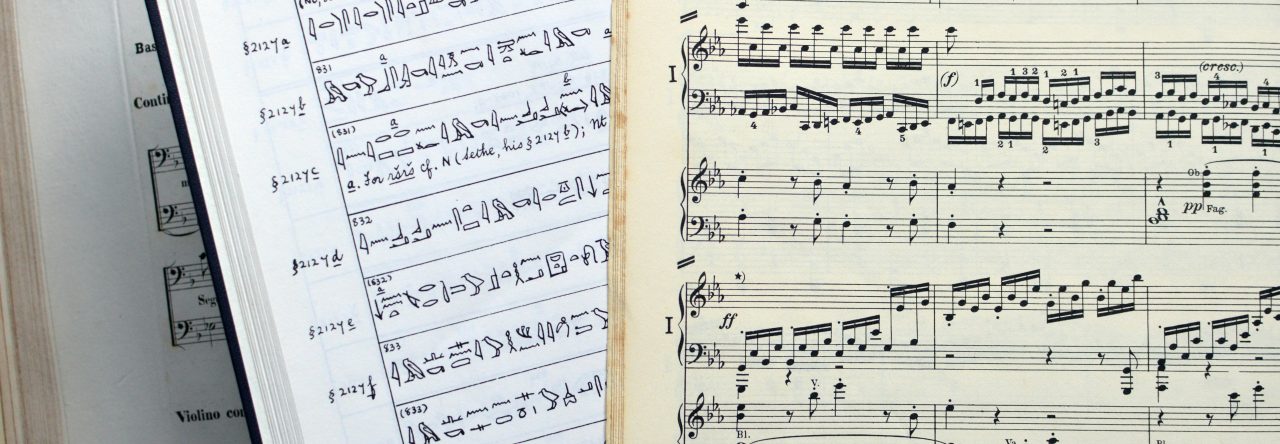
Zeinab spent a month living at the Trust’s house in Kensington in June 2026.
I would like to express my sincere gratitude to the Robert Anderson Trust for their generous support and hospitality during my research residency in the UK in June 2026. This visit provided essential access to key archival repositories and museum collections, significantly enriching the comparative archaeological and artistic analysis for my doctoral dissertation on the historical sites of Assiut.
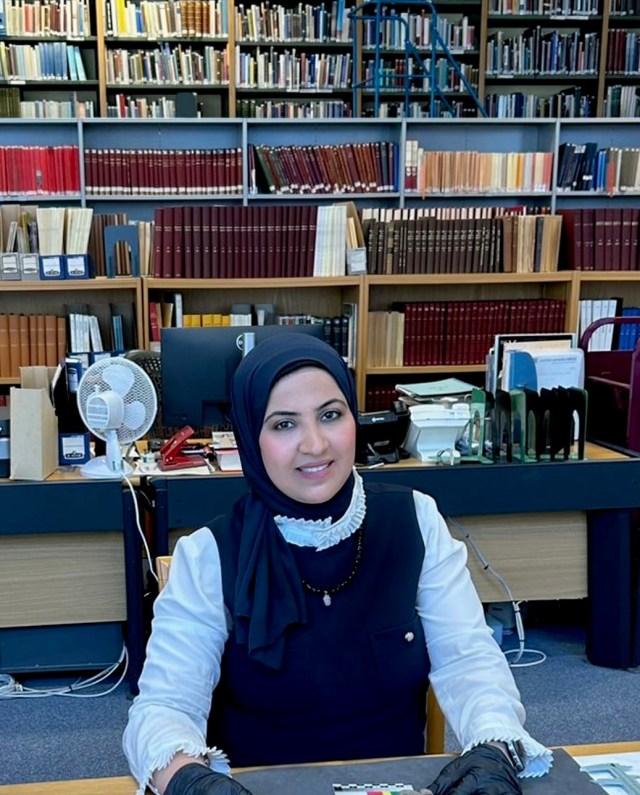
Examining and analyzing key artifact assemblages within the Study Room of the Department of Egypt and Sudan, British Museum.
The primary aim of this residency was to conduct direct, object-based analysis and secure access to primary sources related to the excavation site of Deir el-Bala’izah and the monastic complex of Deir el-Ganadla. My focus was on integrating material culture with spatial, architectural, and artistic contexts. By evaluating manufacturing techniques, raw material compositions, and stylistic typologies, I worked to reconstruct the functional evolution of these sites and contextualize isolated museum artifacts within recent field discoveries.
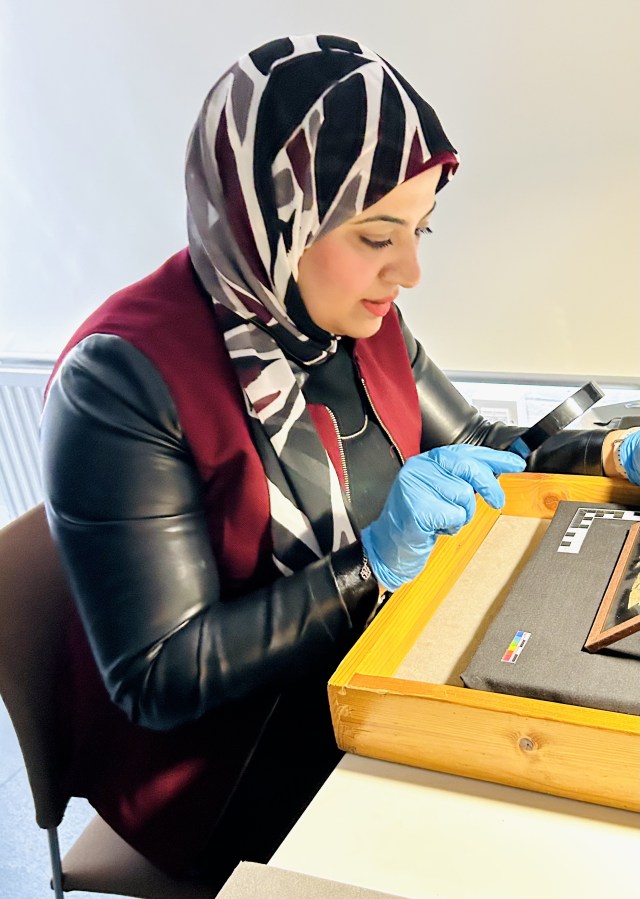
Examining and studying excavated artifacts at the Petrie Museum of Egyptian Archaeology.
In London, my research began at the Petrie Museum of Egyptian Archaeology (UCL), where I examined excavated material culture alongside Sir Flinders Petrie’s original fieldwork diaries and early excavation photographs. Reviewing these handwritten records provided crucial context for the objects, allowing me to cross-reference historical notes and archive photos directly with contemporary findings from the field.
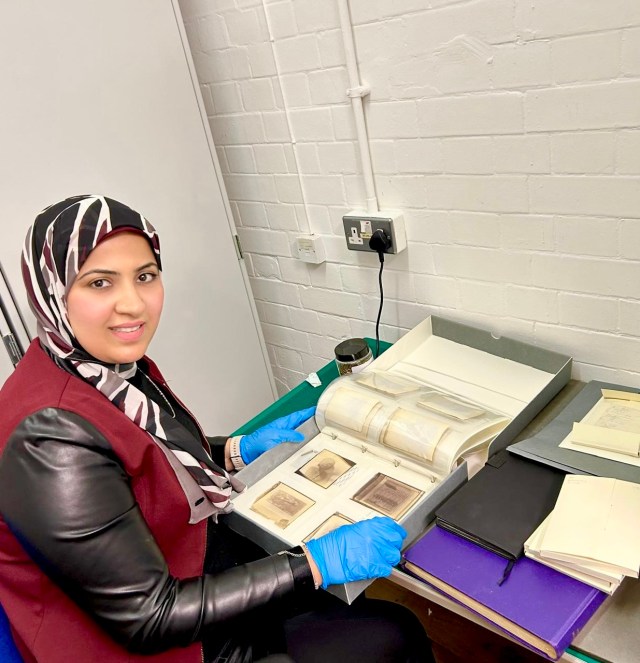
Examining Sir Flinders Petrie’s original fieldwork diaries and early excavation photographs at the Petrie Museum Archives.
This research continued at the British Museum, where work within the Department of Egypt and Sudan and the Department of Coins and Medals allowed me to examine and analyze key assemblages closely tied to my thesis topic. Additionally, my research at the museum’s Anthropology Library and Research Centre provided a great opportunity to consult specialized catalogs and core reference materials. At the same time, my work at the British Library gave me access to exceptionally rare references, essential manuscripts, and historical records that really helped expand the contextual framework of my research.
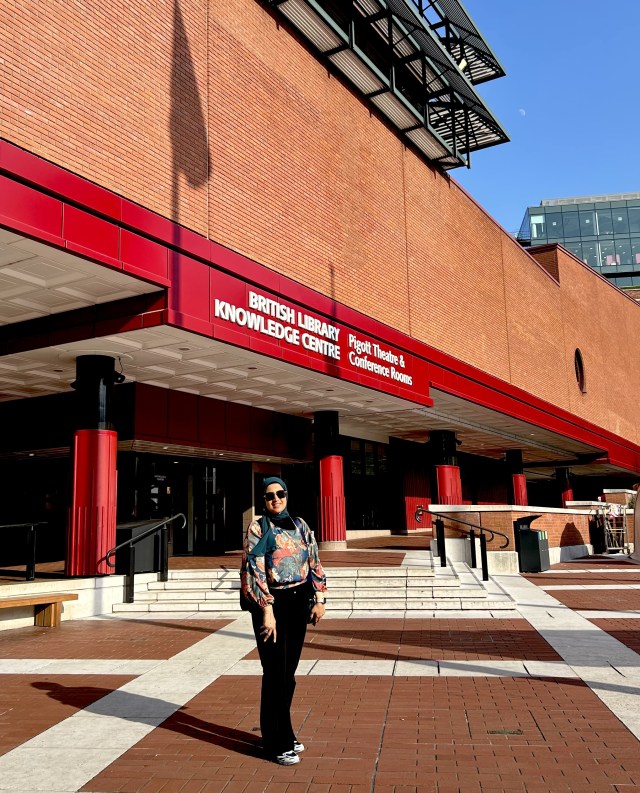
In front of the British Library during one of my research visits.
In Oxford, my investigation focused on primary textual and archival sources. At the Bodleian Libraries, I examined conserved papyri from Deir el-Bala’izah, linking textual paleographical analysis with physical material evidence. At the Griffith Institute, I reviewed institutional archives, fieldwork documentation, and historic photographs to reconstruct original site environments. Furthermore, work at the Ashmolean Museum focused on artifact typologies and material compositions to support a comparative assessment with my field observation data.
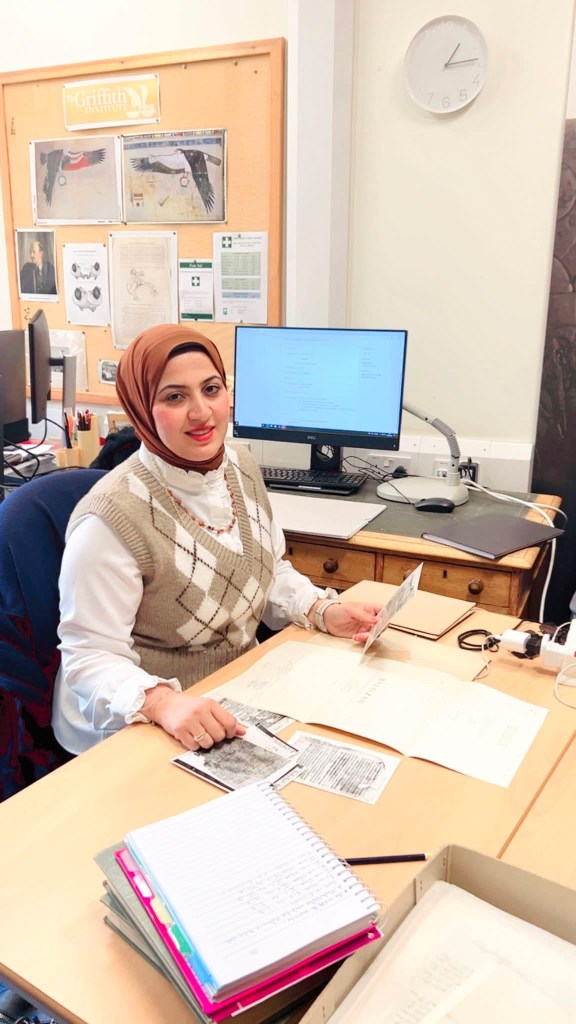
Consulting institutional archives and fieldwork documentation to reconstruct historic site environments at the Griffith Institute, Oxford.
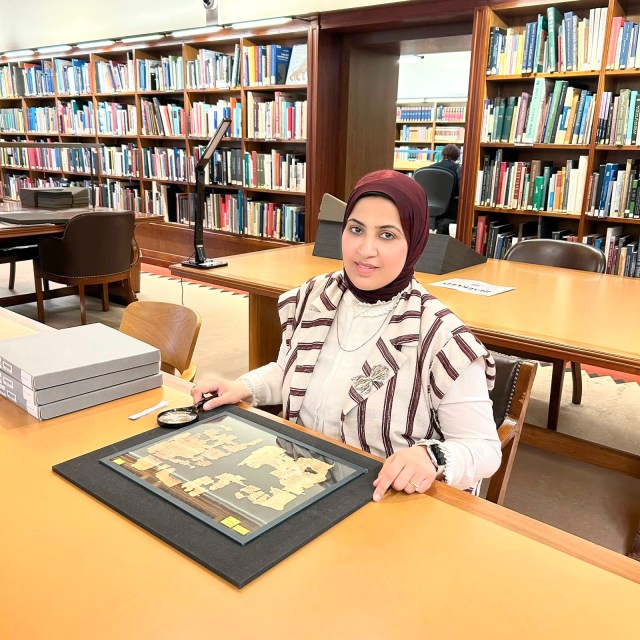
Examining conserved papyri from Deir el-Bala’izah and conducting paleographical analysis at the Bodleian Libraries, Oxford.
Complementing my itinerary, I undertook a cultural visit to Cambridge, where I explored the iconic collections at the Fitzwilliam Museum and appreciated the historic architecture of its monumental colleges and landmarks, such as King’s, St John’s, and Great St Mary’s (The University Church).
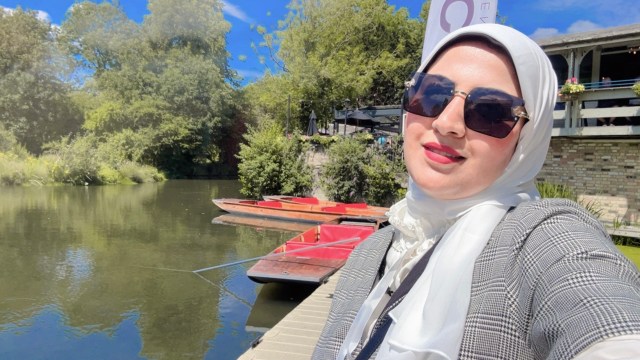
Enjoying a punting tour along the River Cam, exploring Cambridge’s historic colleges and architectural heritage.
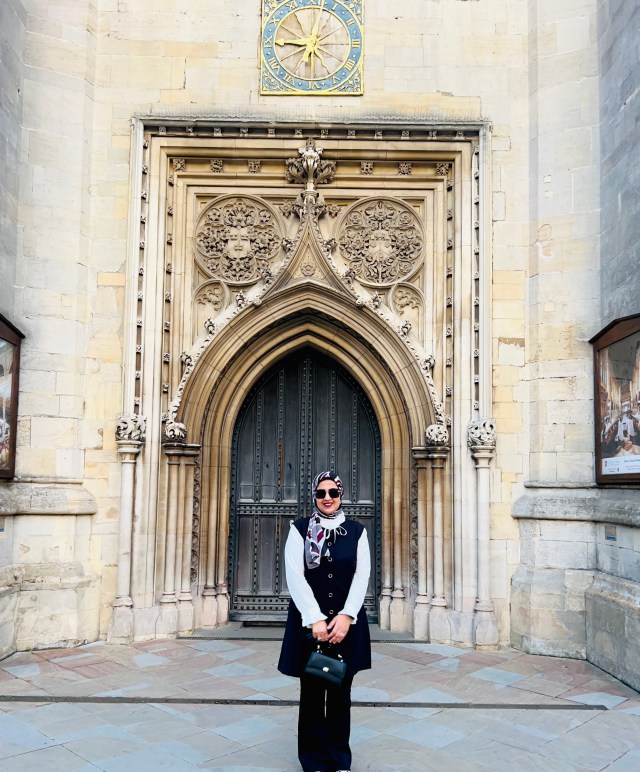
Great St Mary’s (The University Church), Cambridge.
In addition to institutional research, the residency provided valuable exposure to the UK’s broader cultural landscape, including world-class collections at the National Gallery, the Design Museum, the Natural History Museum, and the V&A Museum, alongside the architectural grandeur of Kensington Palace, Buckingham Palace, the historic Westminster district, and London’s iconic landmarks.
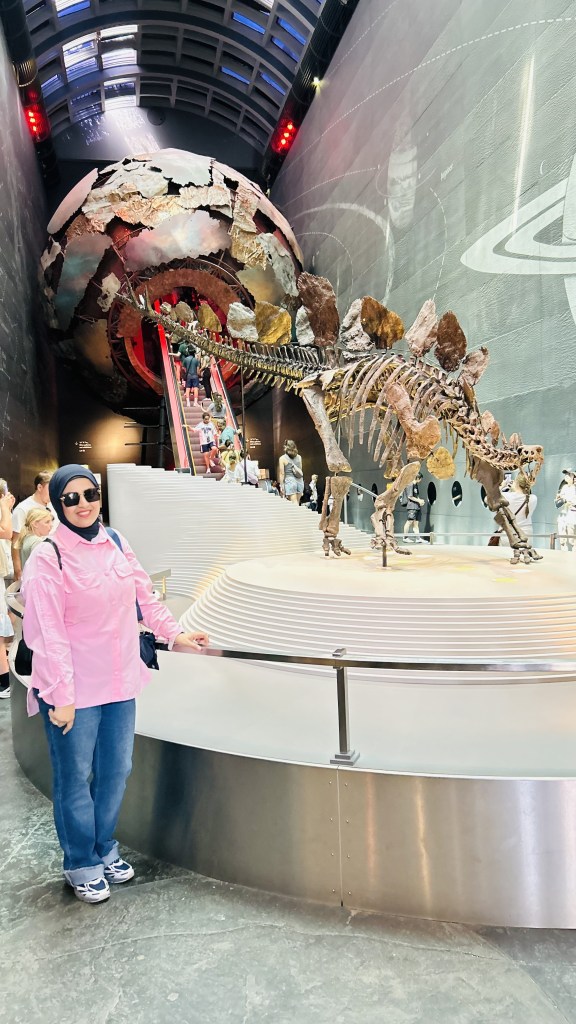
A visit to the Natural History Museum as part of experiencing the broader UK cultural and scientific landscape.
Ultimately, examining these rare archives and artifacts in person, inspecting key document collections, and engaging directly with scholars and curators across all visited institutions provided my doctoral research with vital comparative material. The documentation, notes, and comparative photographs gathered during this month will directly shape the final outcome of my PhD dissertation. I extend my sincere thanks to the directors, heads of departments, curators, librarians, and staff at every institution for their extraordinary support, flexibility, and valuable academic guidance throughout this journey. I am deeply honored to be among the beneficiaries of the Robert Anderson Trust, whose dedication to supporting Egyptian scholars fosters ongoing global scientific collaboration with academic research in Egypt.
For more information about the other students in the current cohort please see here.

